
The Saudi-Houthi conflict has entered another tense phase after Saudi Arabia said its air-defence forces destroyed a Houthi drone south of Mecca before it could enter the city’s restricted airspace.
According to Saudi-led coalition spokesman Major General Turki al-Malki, the drone was intercepted at around 6:50 p.m. on September 15. Saudi authorities said the aircraft was destroyed before reaching the prohibited airspace surrounding the holy city.
The reported interception comes after several days of increasing military activity involving the Houthis and Saudi Arabia. Saudi officials have reported missile and drone attacks against different locations in the kingdom, while the Houthis have announced attacks that they describe as responses to Saudi military operations in Yemen.
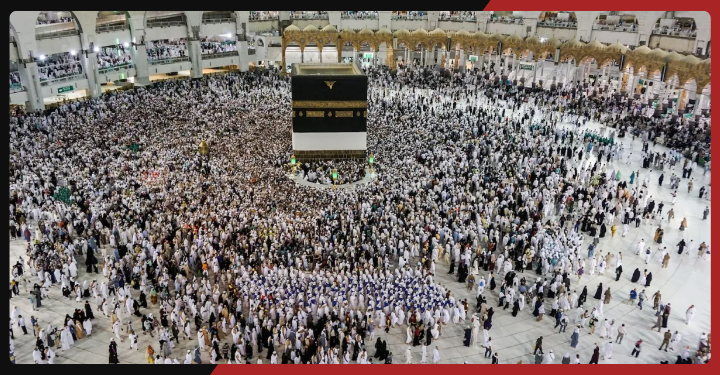
The Mecca incident has attracted particular attention because of the city’s religious importance. Mecca is home to the Grand Mosque and the Kaaba and is the focal point of the Hajj pilgrimage.
Saudi coalition officials said the drone incident was the second reported attempt by the Houthis to target Mecca. They cited a ballistic missile launch toward the city in July 2017 as the earlier incident.
Saudi Arabia has said that the protection of the Two Holy Mosques and pilgrims is a “red line.” The warning suggests that Riyadh regards any threat to Mecca or Medina as a particularly serious security matter.
The Houthis have denied targeting Mecca. Their officials have rejected Saudi Arabia’s description of the incident and said they did not intend to attack the holy city.
The conflicting accounts are part of a wider information battle surrounding the Yemen conflict. Both sides routinely issue statements about military operations, but battlefield claims can be difficult to independently verify while fighting is underway.
Saudi Arabia has been involved in Yemen’s war since 2015, when it formed and led a coalition supporting the internationally recognized Yemeni government. The intervention followed the Houthi takeover of Sanaa and expansion into other parts of the country.
Over time, the conflict developed into a regional confrontation involving Saudi Arabia and Iran, which has been accused by Saudi and Western officials of supporting the Houthis. Tehran has denied being directly responsible for Houthi military operations.
The intensity of fighting declined considerably during recent years, creating space for negotiations and diplomatic initiatives. However, the latest developments indicate that the conflict remains vulnerable to renewed escalation.
Saudi Arabia’s security concerns have also expanded beyond Yemen. The kingdom has faced attacks on infrastructure and threats to important transport and energy routes.
The latest drone incident occurred during a period of wider instability in the Middle East. Disruptions to maritime traffic through major waterways have affected regional economies and international energy markets.
Saudi Arabia’s geographic position makes the situation particularly important. The kingdom borders the Red Sea and lies close to the Bab el-Mandeb Strait, one of the world’s key maritime chokepoints.
The Houthis’ presence along parts of Yemen’s Red Sea coast has increased concerns over shipping and energy transportation. Any prolonged confrontation could therefore affect not only Saudi Arabia and Yemen but also international trade.
The reported interception near Mecca adds a religious-security dimension to those existing geopolitical concerns.
Saudi Arabia has emphasized that the drone was destroyed before entering the restricted airspace. This suggests that the country’s air-defence network prevented the reported threat from reaching the city itself.
However, the incident also demonstrates the continuing challenge posed by drones. Their relatively low cost and ability to travel significant distances have made them increasingly common weapons in Middle Eastern conflicts.
The coming days will be important for determining whether the current escalation expands further. Saudi Arabia has warned that it will take measures to deter additional attacks, while the Houthis continue to deny targeting Mecca.
For now, the incident has intensified attention on the Yemen conflict and raised fresh questions about regional security. The reported destruction of the drone prevented it from entering Mecca’s restricted airspace, but it has also highlighted how the renewed Saudi-Houthi confrontation is reaching increasingly sensitive areas.




More Stories
Saudi Arabia Investigates Deadly Dammam Airport Attack as Regional Tensions Escalate
Voter-List Controversy Fuels CJP’s Protest as Dipke Challenges Election Commission
Family-Size Verification Criteria Draw Attention in Delhi’s SIR Exercise