
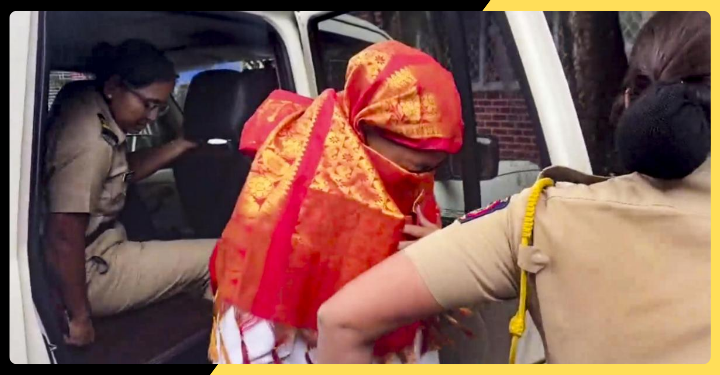
The alleged murder of realtor Ketan Agarwal at Lohagad Fort has sparked widespread public discussion across Maharashtra and beyond. What initially appeared to be a tragic accident soon became one of the country’s most talked-about criminal investigations after police alleged that the victim’s death was the result of a carefully planned conspiracy. As details of the investigation emerged, the case raised important questions not only about personal relationships and trust but also about safety at popular tourist destinations and the growing role of technology in criminal investigations.
The historic Lohagad Fort is one of Maharashtra’s best-known tourist attractions. Located near Pune, the centuries-old hill fort draws thousands of visitors every year, including trekkers, photographers, history enthusiasts, and families looking for a weekend getaway. Its scenic views and challenging trekking routes have made it a favourite destination, particularly during the monsoon season.
Following reports of the alleged murder, many visitors expressed concern about security arrangements at the fort. While Lohagad is generally regarded as a safe tourist destination, the incident reminded travellers that remote locations with steep cliffs and isolated pathways can become vulnerable areas if criminal activity occurs. Some visitors have called for stronger security measures, including additional surveillance cameras, better emergency response systems, and increased police patrols during weekends and holidays.
The case has also reignited conversations about visitor awareness and personal safety during outdoor trips. Experts often advise tourists to remain with trusted companions, inform family members about travel plans, avoid isolated areas whenever possible, and remain cautious in locations where emergency assistance may not be immediately available. Although such precautions cannot prevent every crime, they may reduce certain risks during travel.
Beyond concerns about tourist safety, the case has generated intense public discussion because of the allegations involving close personal relationships. According to police, the accused were known to the victim, making the alleged crime particularly disturbing for many observers. Cases involving family members, romantic partners, or close acquaintances often attract significant attention because they challenge the assumption that personal relationships naturally provide safety and trust.
Social media has played a major role in spreading information about the Pune fort murder case. News reports, videos, and public commentary quickly circulated across multiple platforms, leading to widespread debate. While social media has helped increase public awareness, legal experts have also warned against drawing conclusions before the judicial process is complete. Police investigations present one version of events, but only a court can determine criminal responsibility after examining all evidence and hearing arguments from both the prosecution and the defence.
The case has further highlighted the importance of responsible journalism. Criminal investigations often evolve rapidly as new evidence emerges, and early reports may later be clarified or corrected. Responsible reporting requires distinguishing between verified facts, police allegations, and judicial findings. This distinction is particularly important in high-profile cases where public opinion can develop long before the trial concludes.
Another important issue raised by the investigation is the balance between public interest and the rights of the accused. While the case has attracted enormous media attention, legal systems are designed to ensure that every accused person receives a fair trial. Public discussion should not replace the judicial process, and allegations should not be treated as established facts until they have been tested in court.
As legal proceedings continue, the Pune fort murder case is likely to remain a subject of national attention. The investigation has already influenced discussions about tourist safety, forensic science, criminal investigations, and the role of digital evidence in solving complex cases. Regardless of the final outcome, the incident has become an important reminder of the need for careful investigation, responsible reporting, and respect for due process.
The tragedy has affected not only the families directly involved but also thousands of people who regularly visit Maharashtra’s historic forts. While these heritage sites remain popular destinations, the case has encouraged authorities and visitors alike to think more carefully about safety, preparedness, and the importance of remaining vigilant in remote locations.




More Stories
Shalini Thakur’s Mother Says Police Failed to Protect Her: Inside the Tragedy That Shocked Sacramento
Delhi Police Denies Assault Claims as Journalists Demand Answers Over Saket Incident
Ankit Balyan Murder Shocks Fans as Police Encounter Becomes Major Breakthrough