
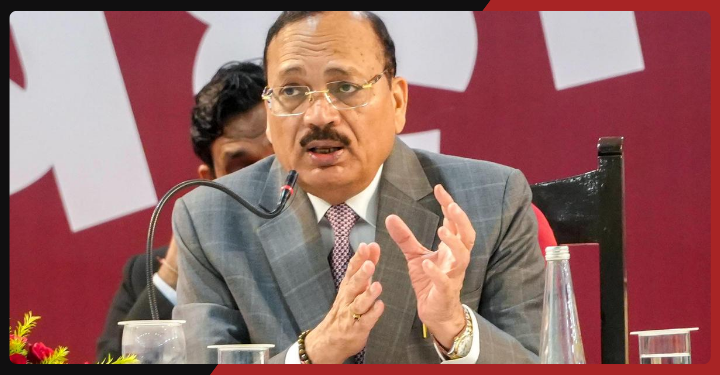
The INDIA bloc’s proposed march towards the Supreme Court on October 12 has placed questions about electoral integrity and democratic rights at the centre of political discussion in New Delhi. The mobilisation followed a decision by Chief Justice of India Surya Kant to decline a meeting requested by opposition leaders Rahul Gandhi and Mallikarjun Kharge.
The leaders wanted to submit a memorandum raising concerns about alleged electoral irregularities, the Special Intensive Revision of electoral rolls, and police action against protesters. Their campaign also includes a demand for Chief Election Commissioner Gyanesh Kumar to resign and calls for changes to the current voting system.
The dispute has implications beyond the immediate confrontation between opposition parties and election authorities. Electoral processes are fundamental to representative democracy because they determine how citizens choose their governments. Confidence in those processes requires accurate voter lists, clear procedures, and meaningful opportunities to challenge mistakes.
The SIR exercise has become a major point of disagreement. Verification of electoral rolls can help maintain accurate records, but the process must also safeguard the participation of eligible voters. If people believe that their names have been wrongly removed or that correction procedures are inaccessible, public confidence can suffer.
Opposition parties argue that electoral administration requires greater scrutiny. Their demands reflect concerns about the independence of institutions and the possibility of errors affecting citizens’ voting rights. These claims, however, must be evaluated using evidence rather than political assertions alone.
The Election Commission operates under a constitutional and statutory framework. Its decisions and actions can be questioned through political debate and, where legally appropriate, judicial proceedings. A court considering a challenge would need to examine the particular allegations, relevant records, and legal standards governing the disputed process.
The proposed protest also followed concerns about the treatment of demonstrators during recent events in Delhi. Peaceful assembly and freedom of expression are important democratic rights, although public demonstrations remain subject to lawful restrictions intended to protect public safety and order.
Where protesters allege excessive force or unlawful detention, specific facts matter. Evidence may include video recordings, witness accounts, medical documentation, official orders, and police records. Such material can help establish what happened and whether the conduct complied with the law.
The Chief Justice’s refusal to meet opposition leaders does not resolve these separate questions. Reports indicate that related matters were already before the Supreme Court, and the leaders could pursue appropriate legal procedures if they wanted judicial relief.
The political significance of the planned march lies in the opposition’s attempt to connect electoral administration with broader concerns about democratic accountability. Demonstrations can draw attention to grievances, but lasting solutions may require legislative discussion, administrative corrections, or court orders.
For the public, practical outcomes are especially important. Eligible voters need reliable ways to check their registration, correct inaccurate information, and challenge exclusion through the procedures available under election law. Authorities must communicate requirements clearly and address legitimate complaints effectively.
The controversy also underlines the importance of responsible public communication. Political parties should present their evidence and demands clearly, while public authorities should respond to lawful complaints with transparency. Media organisations must distinguish between allegations, official explanations, and findings established through legal proceedings.
As the dispute develops, attention will remain on the opposition’s next steps and any proceedings before the courts. The central question is whether concerns about electoral integrity and democratic rights will lead to evidence-based scrutiny and effective remedies within India’s constitutional framework.



More Stories
Why Are Protesters Demanding CEC Gyanesh Kumar’s Resignation? Inside the Delhi Demonstration
From Delhi Detentions to Bengaluru Protest, Opposition Campaign Against SIR Gains Momentum
Dipke’s Warning Signals Wider Clash Over Election Commission’s Role