
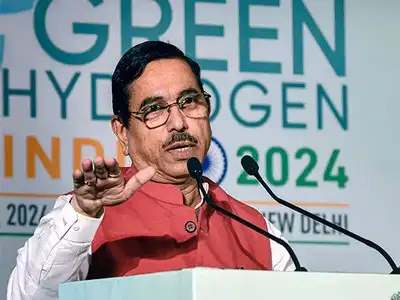
India has made a major stride in its clean energy efforts by introducing a Green Hydrogen Certification Scheme, marking a significant milestone in the country’s path toward net-zero emissions. This initiative also strengthens India’s position in the global green hydrogen market.
Defining Green Hydrogen
The Indian government has established a clear definition of green hydrogen, stipulating that it must be produced using renewable energy sources. For hydrogen to be classified as “green,” it must meet an emission threshold of no more than 2 kilograms of CO₂ equivalent per kilogram of hydrogen. This includes emissions from processes like water treatment, electrolysis, gas purification, drying, and compression. The certification encompasses both electrolysis-based and biomass-based hydrogen production methods.
Certification and Monitoring Framework
To ensure transparency in the green hydrogen sector, the government has created a robust framework for the measurement, reporting, monitoring, and certification of green hydrogen production. The Bureau of Energy Efficiency (BEE) will oversee the accreditation of agencies responsible for verifying and certifying the hydrogen producers. Certification will be issued at the project level, covering the stages up to the purification and compression of hydrogen for transport, while excluding stages such as transportation, storage, and conversion into hydrogen carriers.
Emission Thresholds and Compliance
A key aspect of the certification process is the emission threshold, which is calculated as a 12-month average, accounting for seasonal fluctuations in renewable energy availability and production. Producers must submit a monitoring plan detailing the project’s boundaries, data collection methods, and emission sources. Independent accredited agencies will verify the emissions data, and the BEE will issue certificates for those producers who meet the prescribed standards.
Strategic Importance and Global Positioning
This certification scheme is an integral part of India’s National Green Hydrogen Mission, which aims to produce 5 million metric tonnes of green hydrogen annually by 2030. Additionally, the mission targets an associated renewable energy capacity of approximately 125 gigawatts. By setting clear standards and creating a transparent certification system, India is positioning itself as a leader in the global green hydrogen market, attracting investment and fostering international collaboration.
Conclusion
The introduction of the Green Hydrogen Certification Scheme represents a crucial step in India’s transition toward a more sustainable energy future. By establishing strict emission thresholds and a detailed certification process, India is ensuring the credibility of its green hydrogen production while reinforcing its commitment to environmental sustainability and clean energy leadership on the global stage.




More Stories
From Delhi Detentions to Bengaluru Protest, Opposition Campaign Against SIR Gains Momentum
Dipke’s Warning Signals Wider Clash Over Election Commission’s Role
Flydubai Crisis: Injured Indian Captain Smit Machchhar Helps Passengers Regain Control