
As the United States and Iran return to direct military confrontation, one of the most serious concerns is once again the safety of civilians caught in the middle of the conflict.
The latest escalation began with American military strikes against targets in Iran and was followed by Iranian attacks against U.S. military interests in the Middle East.
While both governments have focused their public statements on military objectives and national security, reports of civilian casualties have highlighted the devastating human consequences of renewed fighting.
According to reports emerging from southern Iran, one of the strikes affected a residential location connected to a wedding gathering, causing deaths and injuries.
The precise details and casualty figures have varied among reports, but the incident has become one of the most tragic developments associated with the latest escalation.
Civilian casualties can dramatically change the political and diplomatic atmosphere surrounding a conflict.
Military operations may be planned around specific targets, but missiles and airstrikes can cause unintended damage, particularly when fighting takes place near populated areas.
The consequences are immediate for families living in affected communities.
Homes can be destroyed, relatives can be injured or killed, and survivors may face long-term trauma.
The wider impact of conflict also extends beyond direct attacks.
When tensions rise, schools, businesses and transportation systems can be disrupted.
Families may leave their homes because of fears about further military action.
Hospitals can face additional pressure as they prepare for possible casualties.
The renewed U.S.-Iran confrontation therefore creates risks far beyond the battlefield.
Countries across the Middle East are watching closely because Iranian retaliation has targeted American interests located outside Iran.
This creates fears that civilians in other countries could also be affected if military operations expand.
International humanitarian organizations and governments have repeatedly warned about the importance of protecting civilian populations during armed conflicts.
The latest reports from Iran are likely to increase calls for restraint and greater efforts to prevent civilian harm.
At the political level, both Washington and Tehran continue to defend their positions.
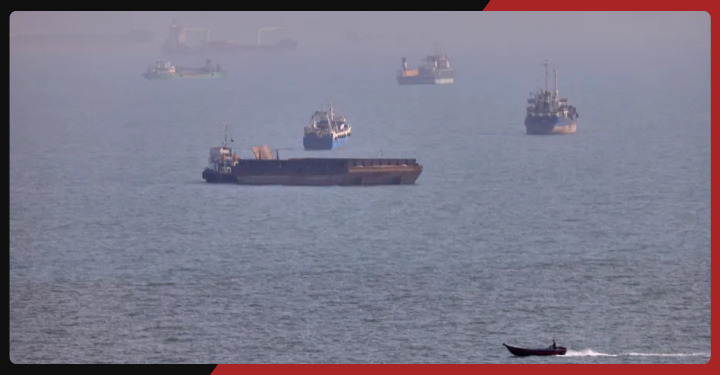
The United States says its strikes are connected to threats against American personnel and commercial shipping.
Iran argues that it has the right to respond to attacks on its territory.
But for civilians, the political arguments provide little protection when military escalation reaches their communities.
The danger is that continued retaliation will create more opportunities for civilian areas to be affected.
Each new round of attacks increases uncertainty and makes it harder to predict where the next strike may occur.
The conflict has already created wider concerns about regional stability and global energy supplies.
But the human cost remains one of its most painful consequences.
Behind every military announcement are ordinary people living with the fear that their communities could become part of the battlefield.
The international community now faces an urgent challenge: encouraging both sides to prevent further escalation while protecting civilians from the consequences of continued fighting.
Without a reduction in military tensions, the risk of additional civilian casualties will remain high.
As Washington and Tehran exchange threats and military responses, millions of people across the region are hoping that the conflict does not grow into an even larger and more destructive war.



More Stories
Japan Issues Warnings Across Eastern Regions as Typhoon Dujuan Intensifies Weather Threat
Four Students in BMW Crash on Mumbai Coastal Road; Three Die After Bridge Fall
Saudi-Houthi Conflict Intensifies After Drone Is Intercepted Near Mecca