
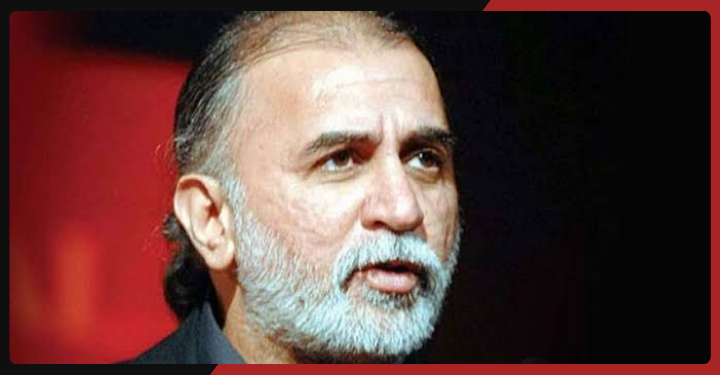
The Bombay High Court has delivered a landmark verdict by convicting former Tehelka editor-in-chief Tarun Tejpal in the 2013 sexual assault case, setting aside the acquittal granted by a Goa Sessions Court in 2021. The judgment concludes a crucial phase of one of India’s most high-profile criminal cases involving allegations of workplace sexual misconduct and has once again brought national attention to issues of justice, accountability, and the legal process in sexual assault cases.
The High Court’s decision came after the Goa government challenged the trial court’s acquittal, arguing that the lower court had made serious errors while evaluating evidence and applying legal principles. After hearing detailed submissions from both sides and reviewing the material placed on record, the High Court ruled that the acquittal was legally unsustainable and convicted Tejpal. The court is expected to hear arguments on sentencing before deciding the quantum of punishment.
The case began in November 2013, when a young journalist working with Tehelka accused Tarun Tejpal of sexually assaulting her during the publication’s ThinkFest event at a luxury hotel in Goa. According to the prosecution, the alleged assaults occurred inside a hotel elevator on two consecutive evenings. The complainant alleged that despite repeatedly resisting and expressing her unwillingness, Tejpal continued the assault.
The allegations sent shockwaves across the country, particularly because Tejpal was regarded as one of India’s most influential investigative journalists at the time. The controversy also led to intense discussions about workplace ethics, abuse of authority, gender equality, and the responsibilities of organisations in addressing complaints of sexual harassment.
Following the complaint, the Goa Police initiated an investigation and registered a criminal case under various provisions of the Indian Penal Code, including charges of rape, sexual assault, and wrongful confinement. Investigators collected CCTV footage, hotel records, electronic communication, witness statements, and other documentary evidence to support the prosecution’s case.
Throughout the proceedings, Tarun Tejpal denied the allegations. His defence maintained that the interaction between him and the complainant had been consensual and argued that the prosecution had failed to prove its allegations beyond reasonable doubt. The defence also questioned the investigation and challenged the interpretation of the evidence produced during the trial.
The trial before the Goa Sessions Court extended over several years. In May 2021, the court acquitted Tejpal of all charges, stating that the prosecution had not established guilt beyond reasonable doubt. The judgment immediately generated widespread debate within legal circles, with many experts and women’s rights organisations criticising aspects of the reasoning adopted by the trial court. Several observers argued that the evidence had not been properly appreciated, prompting the Goa government to file an appeal before the Bombay High Court.
During the appellate proceedings, prosecutors contended that the trial court had overlooked crucial evidence, attached undue importance to irrelevant considerations, and incorrectly interpreted the testimony of the complainant. They argued that these errors had resulted in an unjust acquittal and requested the High Court to reverse the verdict.
After examining the evidence and hearing both parties, the Bombay High Court agreed with the state’s arguments. The court concluded that the findings of the trial court were inconsistent with the evidence available on record and that the acquittal deserved to be set aside. Accordingly, it convicted Tarun Tejpal, while leaving the question of sentencing to be decided in subsequent proceedings.
Legal experts have described the judgment as an important example of the appellate court’s role in reviewing criminal cases. Under Indian law, High Courts have the authority to overturn acquittals when they find that the trial court has committed significant errors in assessing evidence or applying legal principles.
The complainant’s identity continues to remain confidential under Indian law, which prohibits the disclosure of identifying information relating to survivors of sexual offences.
Following the conviction, Tejpal’s legal team announced that it would challenge the High Court’s decision before the Supreme Court. If an appeal is filed, the apex court will examine the legal reasoning adopted by the High Court before deciding whether the conviction should be upheld or modified.
Beyond the legal proceedings, the verdict is expected to influence future discussions on workplace safety, institutional accountability, and the judicial handling of sexual assault cases. It also underscores the importance of appellate review in ensuring that criminal cases are decided on the proper appreciation of evidence and established legal standards.
More than a decade after the alleged incidents took place, the Bombay High Court’s judgment marks a significant turning point in the case. While the legal process is likely to continue before the Supreme Court, the conviction represents one of the most consequential developments in India’s criminal justice system concerning allegations of sexual assault against a prominent public figure.




More Stories
8:45 PM PCR Call Triggers Investigation Into Alleged Gang Rape Near Kalkaji
Shalini Thakur’s Mother Says Police Failed to Protect Her: Inside the Tragedy That Shocked Sacramento
Delhi Police Denies Assault Claims as Journalists Demand Answers Over Saket Incident