

Government Suspends New Student Visa Interviews
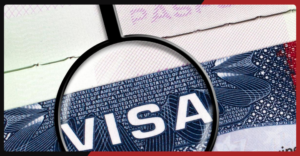
The U.S. government has announced a temporary suspension of new student and exchange visitor visa interviews. This decision affects those applying for F, M, and J category visas—typically granted to international students and academic exchange participants. The pause is intended to allow time for the implementation of expanded screening procedures, with a particular focus on applicants’ social media activity and digital presence.
Purpose of the Suspension: Enhanced Vetting
This move is part of a broader effort to tighten national security measures and increase scrutiny of foreign nationals entering the United States. While the suspension is in effect, no new appointments for student visa interviews will be scheduled. However, those who already have interview dates will proceed as planned. The government has not yet provided a timeline for when the pause will be lifted, stating only that more information will be made available in the coming days.
Social Media Under the Microscope
The enhanced vetting procedures are expected to include a deeper review of social media accounts, expanding upon previous requirements for applicants to disclose their online identifiers. The goal is to assess potential security risks by evaluating digital behavior and connections.
Political Context and Rising Tensions on Campuses
This change comes amid heightened sensitivity around foreign student activism and growing concern about international influence on American campuses. In recent months, students involved in political protests—particularly those expressing support for Palestinian rights—have faced increased scrutiny, raising concerns about the protection of free speech and civil liberties. Some cases have reportedly involved the deportation of students who held permanent residency or lawful immigration status.
Impact on International Students
The suspension is likely to have immediate and significant consequences for international students planning to begin their studies in the United States in the upcoming academic terms. Many may face delays in obtaining the necessary documentation to enter the country, which could disrupt their academic schedules. Students who have not yet secured visa interview appointments are especially vulnerable to these delays.
Consequences for U.S. Universities
American universities are also expected to feel the impact. Institutions with high numbers of international students may experience drops in enrollment, leading to financial and logistical challenges. International students contribute billions of dollars annually to the U.S. economy and are vital to many academic departments, particularly in science, technology, engineering, and mathematics (STEM) programs.
Concerns Over Free Speech and Surveillance
The decision to increase digital surveillance as part of the visa process has sparked civil rights concerns. Critics argue that intensified monitoring of online activity risks targeting individuals based on political beliefs, potentially violating principles of free expression. There are fears that this kind of scrutiny may disproportionately affect students from certain countries or those who have participated in protests or shared controversial opinions on social media.
Guidance for Affected Students
Students affected by the suspension are encouraged to remain in close contact with their educational institutions, monitor updates from official channels, and prepare for possible delays in the visa process. In some cases, deferring enrollment or exploring alternatives outside the U.S. may become necessary.
A Shift in U.S. Higher Education Policy
This pause in new student visa interviews represents a significant shift in how the United States approaches foreign student admissions. While it is framed as a step toward national security, it also raises important questions about access to education, freedom of speech, and the country’s standing as a destination for global talent. As the new policies unfold, both students and universities will be watching closely to understand the long-term effects on academic mobility and international collaboration.

More Stories
Kanpur Plane Crash: Timeline, Aircraft Details and What Investigators Will Examine
Indian Nationals Among Hundreds Missing in Nepal Floods; Embassy Activates Emergency Response
New H-1B Proposal Faces Legal Battle After Earlier $100,000 Fee Was Struck Down