
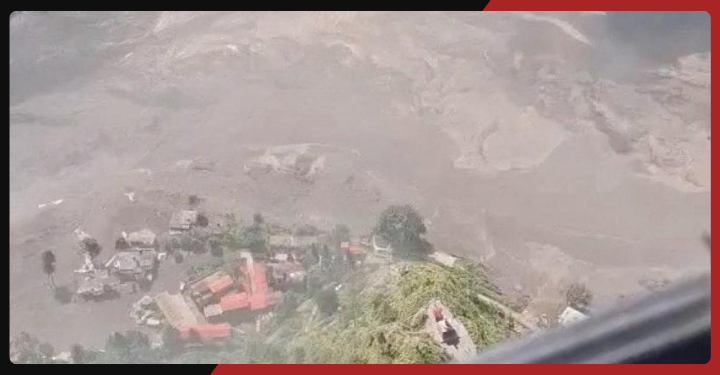
The devastating flash floods in Nepal have triggered serious concern in India after more than 100 Indian nationals were reported missing in the affected Himalayan region. The disaster struck Rasuwa district near the Nepal-China border, where hundreds of people, including tourists and pilgrims, were reportedly caught in the sudden flooding.
Initial reports suggested that 105 Indians were among approximately 384 people reported missing. The list also included Nepali citizens and foreign tourists. Officials have warned that these figures remain preliminary and could change as communication is restored and rescue teams reach remote areas.
The affected region is a route used by travellers heading towards Tibet, including pilgrims travelling towards Mount Kailash. Because of its location in the high Himalayas, the area can be difficult to access even in normal circumstances.
The flash flood caused extensive damage to roads and bridges, making the situation even more complicated. People who survived the initial flood may now be stranded because the normal routes out of the area have been destroyed.
The Indian Embassy in Nepal has responded by providing emergency contact arrangements. Families looking for information about relatives travelling in Nepal can use the official channels to seek assistance and provide details about missing people.
The Indian government is also preparing humanitarian assistance for Nepal. Prime Minister Narendra Modi spoke with Nepal Prime Minister Balendra Shah and offered India’s full support in the rescue and relief effort.
Emergency supplies, including medicines and rations, are being prepared for shipment to Nepal. The Indian Air Force has been placed on standby to support relief operations if required.
The disaster has created an emotional crisis for families in India who are waiting for information. When people travel in remote Himalayan areas, communication can become difficult even under normal circumstances. After a major flood destroys roads and communication infrastructure, confirming the safety of travellers can take time.
Rescue teams are therefore working to establish a clearer picture of the situation. Authorities are collecting information from police stations, tourism agencies, travel companies and local communities.
The floods have also caused significant damage to local infrastructure. Several villages were affected, and hydropower projects and transport networks suffered damage.
The disaster may have been triggered by an avalanche following seismic activity, according to preliminary reports. Officials are investigating the exact circumstances.
The sudden nature of the event demonstrates why Himalayan travellers need to remain alert to weather and geological warnings. Rivers can rise extremely quickly when large quantities of water and debris enter mountain valleys.
For India, identifying missing citizens remains one of the most urgent tasks. Diplomatic officials are coordinating with Nepalese authorities while relief preparations continue.
For Nepal, the immediate priority is rescuing survivors and reaching isolated communities. The country’s security forces and emergency agencies are operating in difficult terrain, while neighbouring countries have offered assistance.
As rescue operations progress, authorities are expected to publish more reliable information about the missing and those rescued.
The situation remains fluid, but India’s decision to send relief materials and prepare additional assistance signals a rapid humanitarian response to the disaster affecting its close neighbour.




More Stories
Bolsonaro Fails to Pull Away as Brazil Election Heads Toward Second Round
Yemen Conflict Intensifies as Army Reports Hundreds of Strikes on Houthi Targets
Dipke’s Warning Signals Wider Clash Over Election Commission’s Role