
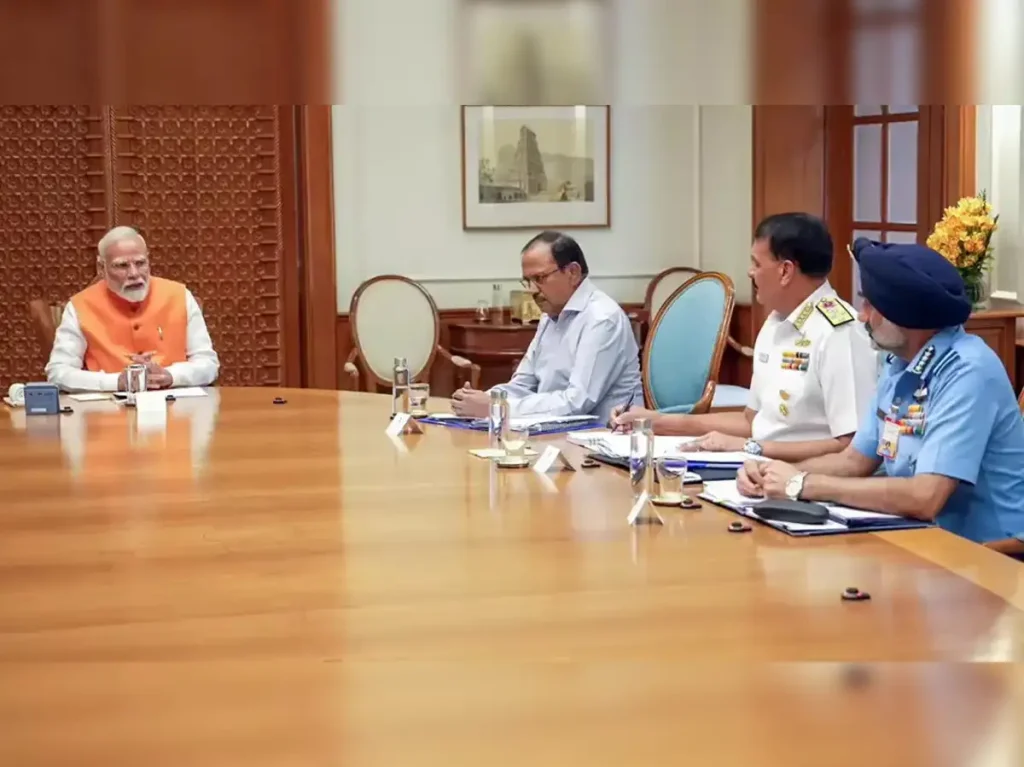
In the aftermath of a deadly terrorist strike in Pahalgam, Jammu and Kashmir, Prime Minister Narendra Modi has made a decisive statement, empowering the Indian armed forces to take complete control over the timing and method of their response. This significant move reflects a shift toward a firmer and more aggressive counterterrorism posture.
The Pahalgam Attack: A National Tragedy
The attack, which occurred on April 22, 2025, led to the tragic deaths of 26 people, many of whom were Hindu pilgrims. Reports suggest the attackers deliberately targeted victims based on their religion, in a manner reminiscent of past high-profile terror incidents like the 2008 Mumbai attacks. The brutality of the assault has sparked national outrage and mourning, intensifying demands for a swift and forceful reaction.
PM Modi’s Message to the Armed Forces
During a key security briefing, Prime Minister Modi clearly stated that the military now has unrestricted freedom to decide how, when, and where to strike back. “Our forces have full authority to decide the time and form of retaliation,” he said, signaling a more proactive stance. He also issued a stern warning to the attackers and their backers, promising a punishment that would go “beyond imagination,” vowing that justice would be delivered no matter where the perpetrators tried to hide.
Diplomatic and Strategic Fallout
India’s response to the attack has not been limited to military planning. The government has also initiated significant diplomatic actions. Most notably, the Cabinet Committee on Security suspended the Indus Waters Treaty with Pakistan, accusing Islamabad of violating its terms. Moreover, all Pakistani nationals in India—except those with diplomatic, official, or long-term visas—have been directed to leave the country by April 29.
These measures indicate a larger strategy to isolate Pakistan and hold it accountable for allowing terrorist activity to thrive on its soil. The Indian government appears committed to increasing pressure on its western neighbor both militarily and diplomatically.
Rising Public Emotions
The Pahalgam massacre has stirred strong emotions across the country. Prime Minister Modi acknowledged the national sentiment, saying the “blood of the people is boiling.” He urged citizens to stay united and assured them that every necessary action would be taken to ensure justice and national security. The call for unity is being viewed as a critical step in maintaining internal stability during a highly emotional time.
Broader Regional Impacts
India’s robust response to the Pahalgam attack is likely to have repercussions beyond its borders. While Pakistan has denied any involvement in the incident, it has responded sharply to India’s diplomatic actions, warning of consequences. Tensions have risen, especially after the closure of the Wagah border and the expulsion of Pakistani citizens.
Regional experts caution that the situation, though currently under control, has the potential to escalate further. The balance between taking strong internal action and preventing wider conflict is delicate.
Conclusion
Prime Minister Modi’s decision to give the military full autonomy to respond to the Pahalgam attack marks a turning point in India’s approach to terrorism. By combining decisive military options with strategic diplomatic pressure, the Indian government is aiming to deliver a powerful message: acts of terror will not go unanswered. As the global community watches, India’s next moves will play a crucial role in shaping regional dynamics and counterterrorism policy going forward.




More Stories
Rahul Gandhi’s Detention Deepens Political Clash Over India’s Electoral Process
Harmanpreet Kaur to Continue as Player After Giving Up India Captaincy Across Formats
Bolsonaro Fails to Pull Away as Brazil Election Heads Toward Second Round