
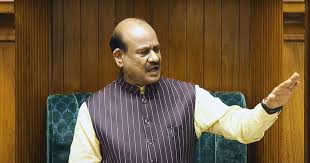
No-Confidence Motion Against Om Birla Sparks Political Tensions
Opposition Mounts Rare Challenge to the Speaker
A no-confidence motion has been moved against Lok Sabha Speaker Om Birla, setting off a fresh round of political confrontation in Parliament. The Opposition has accused the Speaker of partial conduct and alleged that he has not allowed adequate space for dissenting voices during key debates.
Such motions against a sitting Speaker are uncommon in India’s parliamentary history, making the development both politically significant and symbolically charged.
Allegations of Partisanship and Procedural Bias
Opposition leaders claim that Birla has displayed bias in managing House proceedings. Among the key complaints are restrictions on speaking time for senior Opposition figures and disciplinary action taken against several MPs.
They argue that the Speaker’s constitutional role demands strict neutrality and that any perception of favouritism undermines parliamentary democracy. The motion, they say, is aimed at defending institutional integrity rather than targeting an individual.
Government Seeks to Highlight Opposition Divisions
While the Opposition attempts to present a united front, the ruling government is reportedly working to expose differences within Opposition ranks. Sources suggest that the government has reached out to smaller regional parties, encouraging them to distance themselves from the move.
Some Opposition leaders have privately expressed doubts about the timing and effectiveness of the motion, given the ruling coalition’s numerical strength in the Lok Sabha. This lack of full consensus may weaken the Opposition’s strategy.
Debate Likely to Be High-Profile but Symbolic
Even if the motion proceeds to debate, its chances of success appear slim due to parliamentary arithmetic. The ruling alliance holds sufficient numbers to defeat the proposal comfortably.
However, political observers believe the debate itself could become a platform for raising broader concerns about parliamentary procedures, suspension of MPs, and the functioning of democratic institutions.
Wider Context of Political Friction
The no-confidence move comes amid ongoing tensions between the government and Opposition over legislative processes, disruptions in the House, and allegations of curbing debate.
Government leaders have defended the Speaker, maintaining that House rules have been applied fairly and that disruptions by Opposition members necessitated strict measures.
Institutional Implications Beyond the Vote
Regardless of the final outcome, the motion underscores the fragile trust between the two sides of the aisle. While it may not alter the Speaker’s position, it brings renewed focus to the expectations of neutrality and decorum in Parliament.
As proceedings unfold, the episode is likely to add another chapter to the evolving political contest shaping India’s parliamentary landscape.



More Stories
Teenager Dies After Jumping in Front of Metro Train at Uttam Nagar East Station
N. Chandrababu Naidu Unveils Ambitious Plan for Andhra Pradesh Featuring Quantum University, AI Labs, and Training for One Million Youth
One Arrested for Fake Call Alleging ‘Terror Suspect’ Aboard Train