
Iran Calls Oman Talks with U.S. a ‘Good Beginning,’ Signals More Dialogue Ahead
Fresh Diplomatic Effort Amid Strained Relations
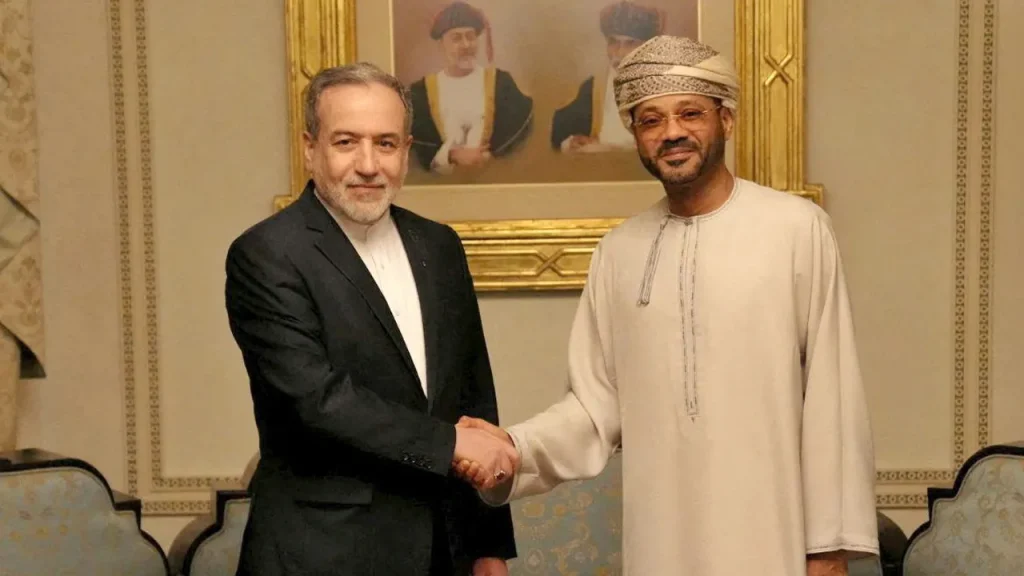
Iran has termed its recent negotiations with the United States in Oman as a “good beginning,” signalling cautious optimism about reviving diplomatic engagement between the two nations. The talks, held in Muscat with Omani mediation, come at a time of heightened tensions over Iran’s nuclear programme, regional conflicts, and ongoing economic sanctions. Despite years of strained ties, both sides appear willing to test diplomatic channels once again.
Constructive Tone but Cautious Expectations
Iranian officials described the discussions as constructive, noting that the initial exchange helped set the tone for future engagement. Foreign Ministry representatives said both sides agreed to continue consultations after internal reviews in their respective capitals. While no immediate follow-up date has been finalised, the willingness to sustain dialogue is being viewed as a positive diplomatic signal.
Tehran maintained that progress would depend on mutual respect and the absence of coercive pressure.
Nuclear Programme at the Centre of Talks
The primary focus of the negotiations was Iran’s nuclear activities. Iranian negotiators reiterated their readiness to discuss uranium enrichment levels and nuclear monitoring mechanisms. However, they firmly stated that issues such as ballistic missile development and regional military alliances fall outside the scope of these talks.
This stance reflects Tehran’s long-held position that nuclear negotiations should remain limited to sanctions relief and atomic oversight, rather than expanding into broader defence or geopolitical matters.
U.S. Push for Broader Negotiations
The United States, on the other hand, has historically favoured a more comprehensive framework—one that also addresses Iran’s missile programme and its involvement in regional conflicts. These differences remain a central obstacle in achieving a breakthrough.
Diplomatic observers note that narrowing this gap will be crucial if the talks are to evolve beyond preliminary confidence-building discussions.
Oman’s Key Role as Mediator
Oman once again served as the intermediary host, facilitating indirect dialogue between Washington and Tehran. Delegations did not engage face-to-face; instead, messages were exchanged through Omani officials—a format often used in sensitive geopolitical negotiations.
Muscat has historically played a quiet but influential role in backchannel diplomacy between the two countries, including during earlier nuclear deal negotiations.
No Breakthrough, but Door Remains Open
While the talks ended without a major agreement, both sides acknowledged the importance of keeping communication lines open. No significant concessions were reported, underscoring the complexity of resolving long-standing disputes.
The negotiations also unfolded against a backdrop of regional military tensions and sustained economic sanctions on Iran, factors that continue to complicate trust-building efforts.
Global Attention on Next Steps
International stakeholders are closely monitoring the trajectory of these discussions, as any progress could impact Middle East stability, global oil markets, and nuclear non-proliferation efforts.
For now, both countries are expected to assess the outcomes internally before announcing the next round. Though early in the process, the Muscat meeting has laid the groundwork for potential future diplomacy.


More Stories
DMRC Renames Mayur Vihar Pocket 1 Metro Station to ‘Shree Ram Mandir Mayur Vihar’
BJP Names Ritu Tawde as Mumbai Mayor Candidate; Shiv Sena’s Sanjay Ghadi Tapped as Deputy
Piyush Goyal Asserts India-U.S. Deal Fully Protects Interests of Indian Farmers