
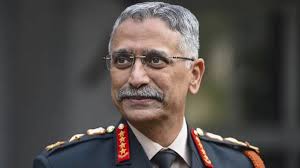
Excerpts from former Indian Army Chief General M.M. Naravane’s memoir have revealed new details about the tense 2020 standoff with China in eastern Ladakh, describing the immense pressure he faced as the situation escalated. Naravane candidly noted that he felt he had been “handed a hot potato,” highlighting the weight of responsibility during one of India’s most serious border confrontations in recent decades.
The memoir, titled Four Stars of Destiny, remains unpublished and is under review by the Ministry of Defence. However, excerpts published in media reports have already sparked discussion among political and defence circles, and were recently referenced by Rahul Gandhi in the Lok Sabha, though the attempt was stopped on procedural grounds.
According to Naravane, the standoff intensified in August 2020, when reports indicated that Chinese PLA troops and tanks were approaching Rechin La along the Line of Actual Control (LAC). Recognizing the potential for escalation, Naravane repeatedly sought guidance from top officials, including Defence Minister Rajnath Singh, National Security Advisor Ajit Doval, and Chief of Defence Staff General Bipin Rawat.
Despite the urgency, he was reportedly told that the situation was “purely a military decision.” The Defence Minister communicated that discussions with the Prime Minister had taken place, and the ultimate course of action was left to Naravane’s judgment. This placed the responsibility squarely on the Army Chief, forcing him to carefully weigh strategic and operational options.
Naravane’s phrase “handed a hot potato” captures the gravity of the moment, as he had to manage a potentially explosive confrontation with limited political intervention. His account underscores the challenges faced by military leadership when critical decisions must be made under extreme pressure and uncertainty.
The 2020 Ladakh standoff followed the Galwan Valley clash in June 2020, during which 20 Indian soldiers were killed in violent encounters with Chinese troops — marking the deadliest face-off in decades. Though forces gradually disengaged over the following years, the situation remained tense, and the memoir highlights the complexity of decision-making during the crisis.
While Four Stars of Destiny is still awaiting official clearance, Naravane’s reflections offer rare insight into India’s military response during the Ladakh standoff. Analysts note that the memoir emphasizes the delicate balance between political oversight and military autonomy, as well as the high stakes involved in safeguarding national security in sensitive border areas.



More Stories
Gold-Silver Ratio Hits Nearly 60: Implications for Precious Metal Investors
Anupam Mittal Calls Gen Z Job-Hopping ‘Career Dating’ but Cautions Against One Mistake That Can End Leadership Aspirations
NIA Conducts Raids in Kashmir, Targets Government Employee and Former Militant in New Terror-Related Investigation