
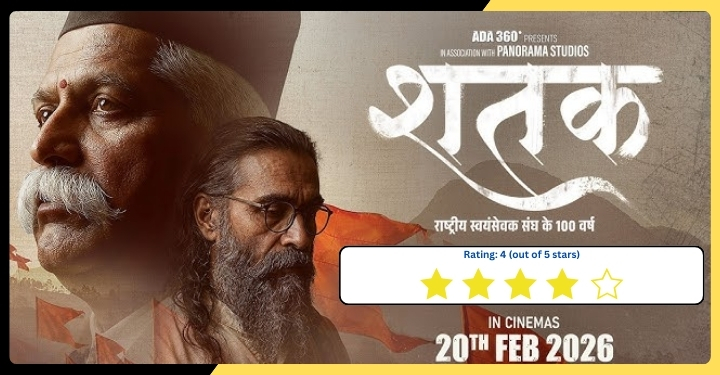
Shatak is an intense dramatic thriller that dives deep into themes of ambition, loyalty, betrayal, and the heavy price of power. Blending emotional storytelling with suspenseful twists, the film attempts to portray the psychological and moral struggles of its central characters. While it follows a familiar dramatic structure, Shatak distinguishes itself through strong performances, atmospheric visuals, and a layered narrative that keeps the audience engaged.
Story and Narrative Structure
The film centers around a protagonist who rises through challenging circumstances, driven by determination and ambition. What begins as a journey toward success gradually evolves into a moral battlefield. As the stakes grow higher, the protagonist finds himself entangled in political games, shifting loyalties, and dangerous rivalries.
The narrative unfolds steadily, revealing secrets piece by piece. Rather than overwhelming the viewer with rapid action, the film carefully builds tension. Each scene contributes to the gradual escalation of conflict, leading to a powerful and emotionally charged climax. The screenplay avoids unnecessary complexity while still offering enough intrigue to keep viewers invested.
At its core, Shatak is not just about external conflict but internal turmoil. The character’s struggle between right and wrong forms the emotional backbone of the story. This inner conflict makes the film relatable and gives it psychological depth.
Character Development
One of the film’s strongest elements is its character development. The protagonist is portrayed as both determined and flawed, making him realistic and multidimensional. His transformation throughout the film feels authentic rather than forced. The audience witnesses his growth, mistakes, and eventual confrontation with the consequences of his actions.
The antagonist plays a crucial role in shaping the narrative tension. Instead of being portrayed as purely evil, the character is layered with motivations and personal justifications. This complexity adds weight to the confrontations between the two central figures.
Supporting characters also contribute meaningfully to the storyline. Whether as friends, rivals, or family members, each role enhances the emotional stakes. Their interactions provide moments of warmth and vulnerability, balancing the film’s darker tones.
Direction and Execution
The direction of Shatak reflects a clear vision. The filmmaker maintains a consistent tone throughout, ensuring that the story never loses its emotional intensity. The pacing is measured, allowing scenes to breathe without dragging unnecessarily.
Some portions of the film may feel slightly extended, especially in the second half. However, these moments are often used to deepen character relationships and emphasize the gravity of unfolding events. The director successfully avoids excessive melodrama, choosing subtle expressions and realistic dialogue over exaggerated drama.
Cinematography and Visual Language
Visually, Shatak stands out for its strong use of lighting and framing. Dark, shadow-filled scenes highlight the moral ambiguity surrounding the characters. In contrast, brighter sequences symbolize hope and moments of clarity.
The camera work enhances the storytelling, especially during tense confrontations. Close-ups capture emotional shifts, while wide shots emphasize isolation and vulnerability. The visual language aligns perfectly with the film’s themes of ambition and consequence.
The production design adds authenticity to the setting. Whether portraying urban landscapes or intimate interior spaces, the film creates a believable world that immerses the audience in its atmosphere.
Music and Sound Design
The background score plays a significant role in sustaining suspense. Instead of relying on loud, dramatic music, the film uses subtle sound design to build tension. The score intensifies emotional scenes without overpowering dialogue or performances.
If songs are included, they are integrated naturally into the narrative rather than disrupting the flow. Music becomes a storytelling tool rather than a distraction, supporting key emotional beats throughout the film.
Themes and Emotional Impact
Shatak explores timeless themes: ambition versus morality, loyalty versus betrayal, and power versus responsibility. The film asks important questions about the sacrifices people make in pursuit of success. It challenges viewers to reflect on their own ethical boundaries and the consequences of crossing them.
The emotional impact of the film lies in its realism. The struggles portrayed are not exaggerated fantasies but grounded conflicts that feel relatable. By the end, viewers are left contemplating the choices made by the characters and the lessons embedded in their journeys.
Strengths and Areas for Improvement
The film’s strengths lie in its strong performances, thoughtful direction, and thematic depth. The emotional authenticity of the characters makes the story compelling. The climax delivers a satisfying resolution that ties together the film’s major threads.
On the other hand, some viewers may find certain plot developments predictable. A few supporting characters could have been explored more deeply to add additional layers to the narrative. Despite these minor shortcomings, the film remains engaging and impactful.
Final Verdict
Shatak is a well-crafted dramatic thriller that combines suspense with emotional storytelling. While it may follow familiar genre patterns, it succeeds through its sincerity, performances, and moral complexity. The film offers more than entertainment—it provides a reflection on ambition, consequence, and redemption.
For audiences who appreciate character-driven stories with social relevance and psychological tension, Shatak is a worthwhile watch. It leaves a lasting impression and encourages thoughtful discussion long after the credits roll.
Overall Rating: 4 out of 5 stars.




More Stories
Dhurandhar: The Revenge Review — A Cerebral Spectacle of Ruthless Intensity and Commanding Cinematic Authority
Sandeepa Dhar Highlights the Mental Health Impact of Beauty Norms in Cinema
Corporate Strategy Meets Creative Vision: HYBE Responds to Min Hee Jin’s Proposal