
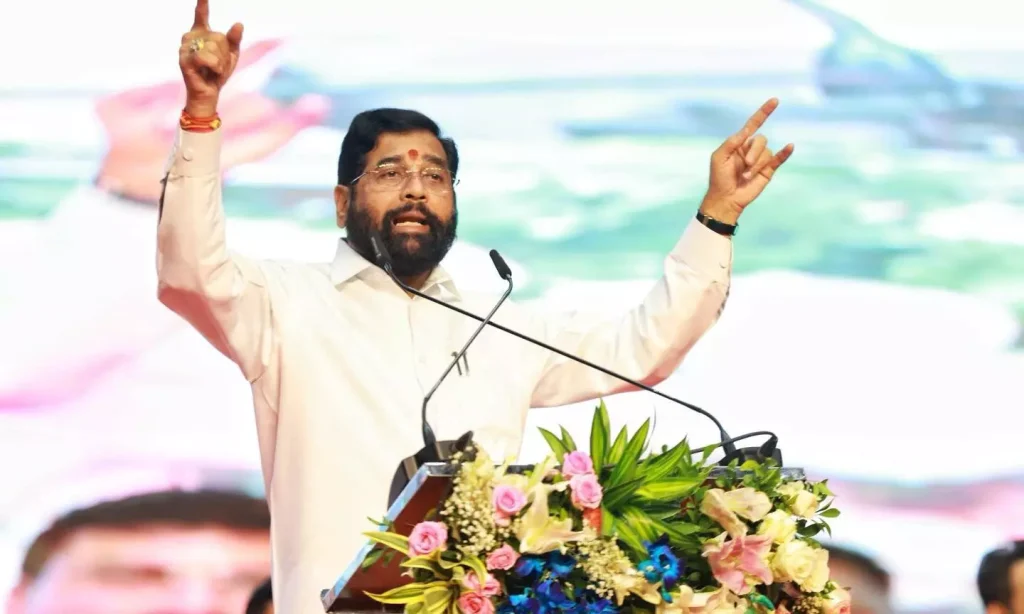
Eknath Shinde’s Strategic Push: Building Shiv Sena’s Rural Backbone Amid Changing Mahayuti Dynamics
Maharashtra Chief Minister Eknath Shinde has begun executing a long-term political strategy aimed at expanding Shiv Sena’s organisational strength deep into rural Maharashtra. As equations within the ruling Mahayuti alliance continue to shift, Shinde’s focus on strengthening the party’s village-level base reflects both electoral foresight and leadership consolidation.
Strategic Expansion Beyond Urban Strongholds
Traditionally perceived as an urban-centric political force with dominance in Mumbai, Thane, and surrounding belts, Shiv Sena under Shinde is attempting a structural transformation. The goal is to evolve from a city-focused party into one with a balanced rural-urban voter base.
This expansion is not merely symbolic. It is designed to secure electoral resilience, particularly in assembly and local body polls where rural constituencies play a decisive role.
Mahayuti Power Dynamics at Play
Shinde’s rural push is unfolding alongside evolving dynamics within the Mahayuti alliance, which includes the BJP and allied partners. Seat-sharing negotiations, regional influence, and cadre strength remain key factors in alliance politics.
By building an independent rural support structure, Shinde positions his Shiv Sena faction to negotiate from strength in future electoral arrangements. A broader grassroots presence could translate into a larger share of constituencies and greater policymaking influence.
Grassroots Cadre Mobilisation
At the operational level, the strategy is being driven through intensive ground outreach. Shinde has been conducting district tours, farmer interactions, and regional conventions aimed at energising local workers.
Efforts include:
- Reviving dormant shakhas in villages
- Recruiting youth workers
- Strengthening booth-level committees
- Engaging cooperative and agricultural leaders
This cadre-first approach is meant to create a durable political pipeline rather than a temporary electoral surge.
Development as Political Messaging
Governance delivery is central to the rural narrative. Infrastructure upgrades, irrigation schemes, rural roads, and welfare initiatives are being highlighted to connect state policy with grassroots impact.
By aligning development communication with party expansion, Shinde aims to convert administrative visibility into political goodwill.
Repositioning the Sena Identity
A parallel ideological effort is underway to reposition Shiv Sena’s image. While rooted in the legacy of Bal Thackeray, the party is being reframed as equally invested in agrarian welfare and rural aspirations.
Local cultural outreach, elevation of regional leaders, and symbolic rural engagement are being used to reinforce this shift in perception.
Competitive and Structural Challenges
Despite momentum, the path is not without obstacles. The Uddhav Thackeray-led Shiv Sena (UBT) continues to retain pockets of rural loyalty. Additionally, overlap with BJP’s established rural machinery creates competitive friction within the alliance.
Sustaining cadre unity, preventing defections, and balancing alliance sensitivities will be crucial for long-term success.
The Long-Term Political Blueprint
Shinde’s rural consolidation drive reflects a broader political endgame — securing organisational depth, strengthening leadership legitimacy, and reshaping Shiv Sena’s electoral geography.
If executed effectively, the strategy could transform the party into a formidable statewide force with bargaining power both within alliances and independent contests.



More Stories
Rajasthan School Row Puts Government Infrastructure Under Fresh Political Spotlight
Iran Rejects Trump’s Economic Threats as Washington Tightens the Pressure
From California to Britain: Why Harry and Meghan’s Return Is So Significant